
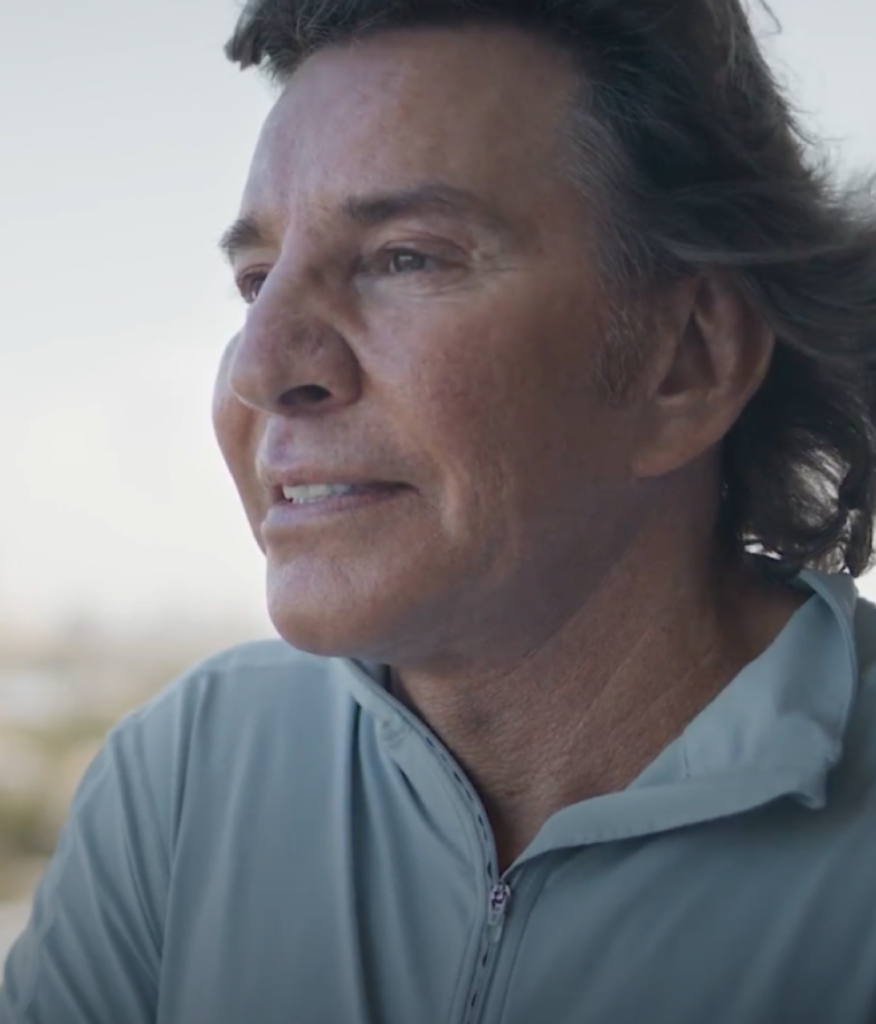
Dave's Story
Waldenström’s Macroglobulinemia
Dave lives in Fort Lauderdale, Florida, with his partner Walter of 32 years. Together they enjoy being physically active and traveling. With his healthy lifestyle, Dave never expected cancer to become part of his story.
His Galleri Test Experience
At his yearly physical, Dave’s doctor told him about the Galleri test, with a simple blood draw that screens for multiple cancers. Confident in his health, Dave decided to take it without hesitation. The idea of screening for multiple cancers through one blood draw felt like a smart, proactive step.
“I didn’t worry a bit. I was positive I was picture-perfect healthy,” Dave said.
Test Results and Early Detection
Not long after, Dave’s doctor called him with surprising news: his Galleri test results showed a cancer signal detected with a predicted origin in the blood. Follow-up testing confirmed Waldenström’s macroglobulinemia, an incurable but treatable blood cancer.
“The initial thing was a shock,” Walter recalled. “The first thing I really thought about was, what do we do now to take care of this?”
Dave began treatment with monoclonal antibodies, which is helping control his cancer. Early detection gave him the chance to start care before he began experiencing any symptoms.
“One thing we did decide very quickly was that we were not going to let this really change our lives,” Walter said. “We were going to continue to do what we like to do, and that has been good for both of us psychologically.”
Dave felt fortunate that the Galleri test detected his cancer early, before it interfered with his life.
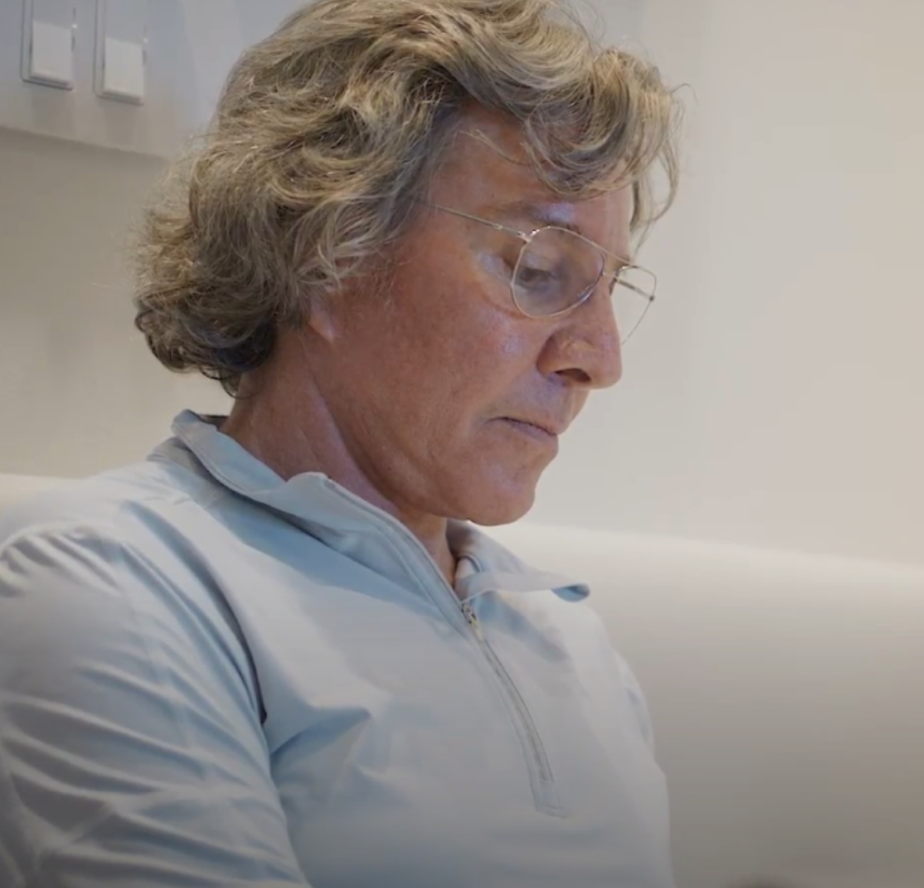
“I was really lucky and fortunate to discover the cancer early on.”
The Galleri test does not detect a signal for all cancers and not all cancers can be detected in the blood. False-positive and false-negative results do occur. Galleri is a screening test and does not diagnose cancer. Diagnostic testing is needed to confirm cancer. The Galleri test should be used in addition to healthcare provider recommended screening tests.
The overall sensitivity in study participants with lymphoma was 56.3% (27.3% for stage I, 58.3% stage II, 71.7% stage III, 60.9% stage IV).
Important Safety Information
The Galleri test is recommended for use in adults with an elevated risk for cancer, such as those age 50 or older. The test does not detect all cancers and should be used in addition to routine cancer screening tests recommended by a healthcare provider. The Galleri test is intended to detect cancer signals and predict where in the body the cancer signal is located. Use of the test is not recommended in individuals who are pregnant, 21 years old or younger, or undergoing active cancer treatment. Results should be interpreted by a healthcare provider in the context of medical history, clinical signs and symptoms. A test result of No Cancer Signal Detected does not rule out cancer. A test result of Cancer Signal Detected requires confirmatory diagnostic evaluation by medically established procedures (e.g. imaging) to confirm cancer. If cancer is not confirmed with further testing, it could mean that cancer is not present or testing was insufficient to detect cancer, including due to the cancer being located in a different part of the body. False positive (a cancer signal detected when cancer is not present) and false negative (a cancer signal not detected when cancer is present) test results do occur. Rx only.
Laboratory/test information
The GRAIL clinical laboratory is certified under the Clinical Laboratory Improvement Amendments of 1988 (CLIA) and accredited by the College of American Pathologists. The Galleri test was developed—and its performance characteristics were determined—by GRAIL. The Galleri test has not been cleared or approved by the Food and Drug Administration. The GRAIL clinical laboratory is regulated under CLIA to perform high-complexity testing. The Galleri test is intended for clinical purposes.