
Our Story
Our mission is to detect cancer early, when it can be cured.
GRAIL is focused on alleviating the global burden of cancer by using the power of next-generation sequencing, population-scale clinical studies, and state-of-the-art machine learning, software, and automation to screen for many of the deadliest cancer types before symptoms appear.
Our History
Our story began in 2015, when an unexpected discovery unlocked a major breakthrough for changing lives at population scale.

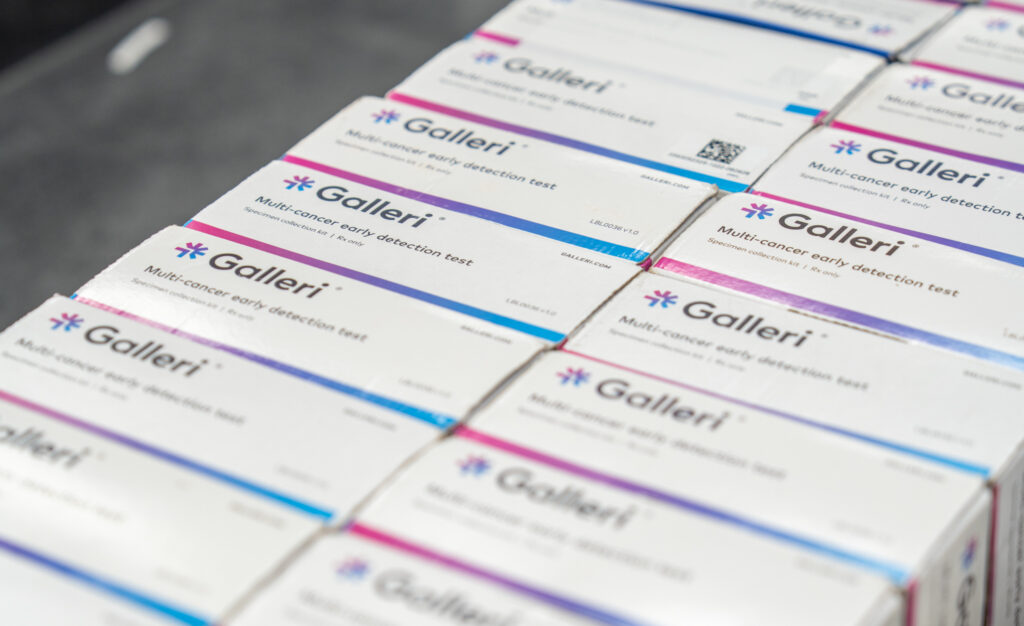
The Galleri® test
Revolutionizing what’s possible in cancer screening with a first-of-its-kind, Multi-Cancer Early Detection (MCED) test.
Backed by rigorous clinical evidence
>300 scientific publications and presentations
>380K participants across unprecedented clinical program

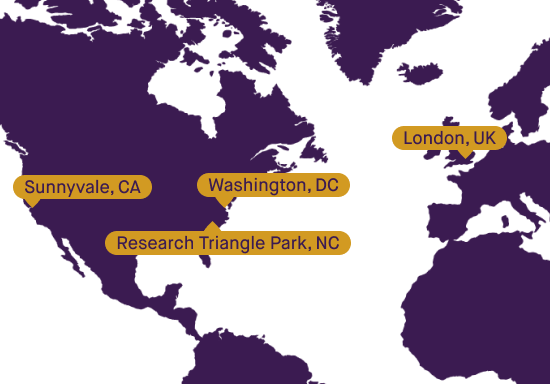
Locations
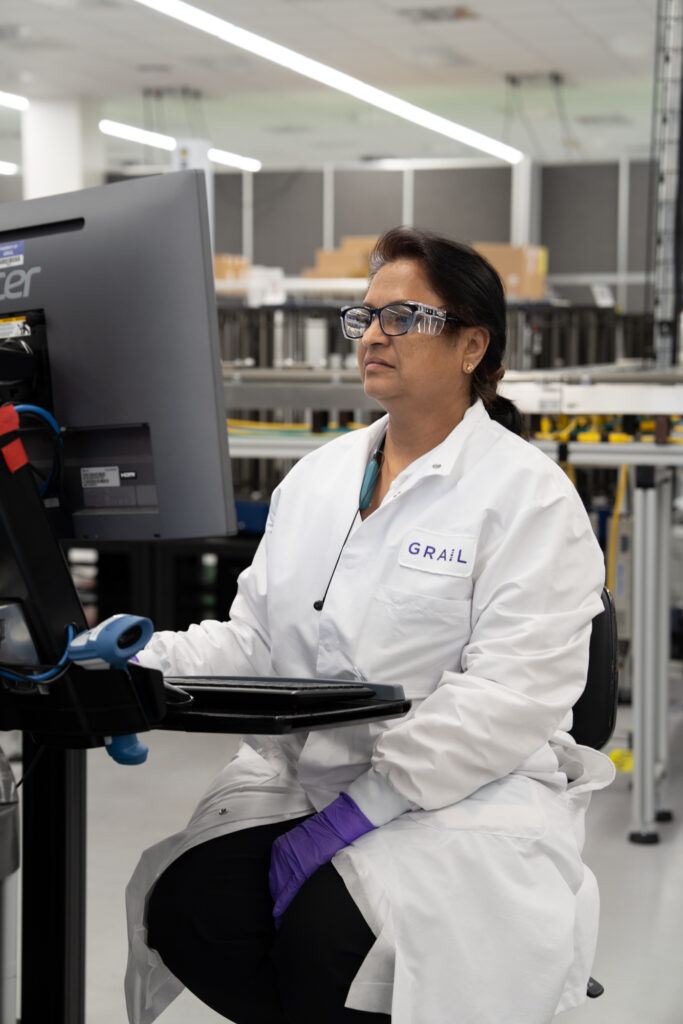
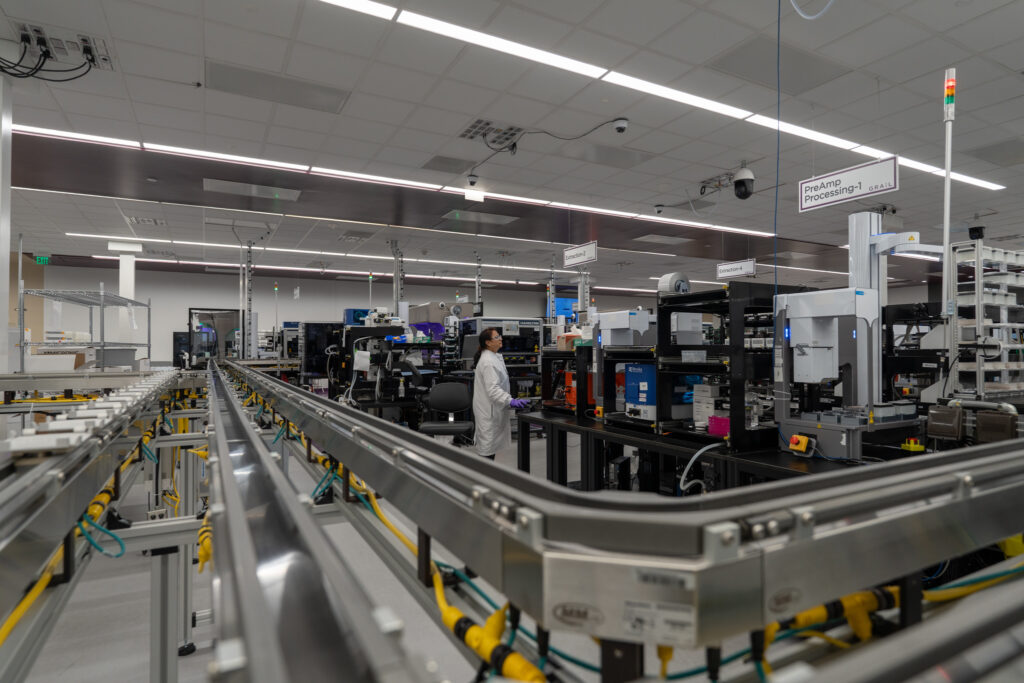
>170,000 square feet of CAP-accredited, CLIA-certified lab facilities with sufficient capacity to support multiple years of growth.
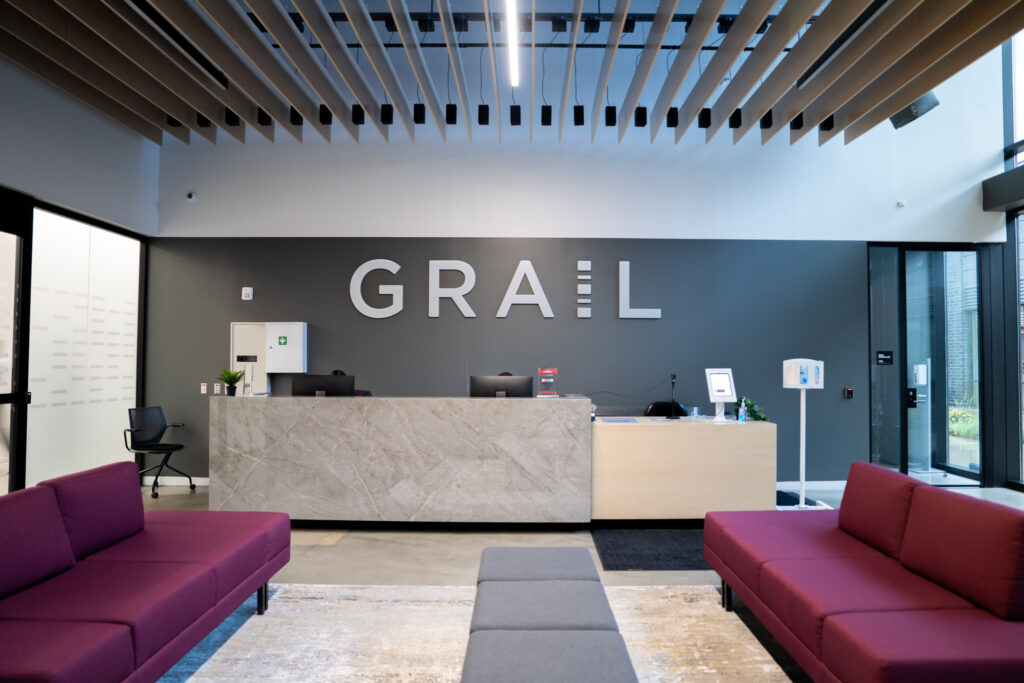
Leadership
Our leadership team is driven by a common purpose—to advance technology that can help detect cancer early.
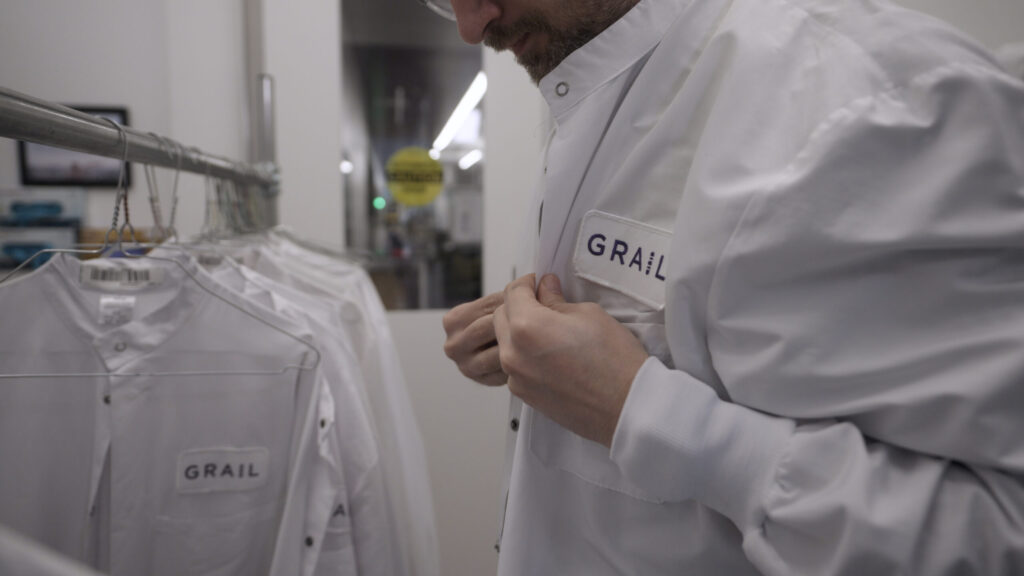
Join our team
Our talented employee pool includes expertise from individuals with a variety of backgrounds and specialties, enriching our collective knowledge and skill-base.
Awards
2025 Best Place to Work Lists Built In & BioSpace
2023 Change the World List, Fortune
2022 World Changing Ideas Awards, Fast Company
Breakthroughs of the Year List, 2022, The Atlantic
Intelligent Diagnostics Silver Winner, 2023, The Edison Awards
Best Inventions of 2022 List, Time Magazine
Our History
An unexpected discovery unlocks a major breakthrough for changing lives at population scale
An Unexpected Discovery
2015-2017
We didn’t start off looking for a way to detect cancer.
In 2015, Illumina’s non-invasive prenatal test (NIPT) unexpectedly detected genomic abnormalities in pregnant mothers that were unrelated to the health of their children. The test detected cell-free DNA from cancer present in the mother’s blood.
In 2016, Illumina spun out a separate entity to focus on researching this incredible discovery, naming it GRAIL because the co-founders believed a simple blood test could be the “holy GRAIL” of cancer detection. With a focus on scientific excellence, transparency, and a vision for what was possible, we raised the funds required to pursue this revolutionary idea.
2015:
- July: Journal of the American Medical Association (JAMA) publishes discovery of cancer signals found in the blood of asymptomatic women
2016:
- January: GRAIL is founded
- December: GRAIL announces Circulating Cell-free Genome Atlas (CCGA) study as foundation for development of blood test to detect cancer early
2017:
- March: $1B Series B funding announced after initial $100M Series A. GRAIL acquires Cirina and key methylation IP
- April: GRAIL initiates the STRIVE study to advance development of blood tests to detect cancer early
A Major Breakthrough
2018-2019
We saw new possibilities, and dared ourselves to pursue a bold vision.
How can one breakthrough unlock others? Through research and early clinical data, we learned to pivot our focus from screening for individual cancers to screening for multiple cancers, pioneering the multi-cancer early detection (MCED) category.
This inspired an even greater sense of urgency to build the foundation for gathering and sharing clinical study data. To pursue our mission of detecting cancer early, when it can be cured, we scaled our operations, expanded to the UK, and assembled the team that would elevate GRAIL to the next level.
2018:
- July: At the American Association for Cancer Research (AACR) GRAIL presents data supporting multi-cancer early detection
- December: GRAIL announces plans to initiate SUMMIT study to support development of blood test for early cancer detection
2019:
- May: GRAIL earns Breakthrough Device Designation from FDA for MCED test
- May: $300M in Series C funding announced.
- May, June, October: Circulating Cell-free Genome Atlas (CCGA) Study data presented to the scientific community.
Life Changing Advances
2020-2021
We saw how our work could change the cancer continuum.
We expanded our clinical capabilities by building a presence in Research Triangle Park (RTP), NC. We announced a partnership with the UK government to broaden our global impact.
We announced collaborations with leading pharmaceutical companies and began testing Post-Diagnosis (PDx) and Diagnostic Aid for Cancer (DAC) models. We celebrated the commercial launch of Galleri®, the first-of-its-kind multi-cancer early detection test.
2020:
- February: PATHFINDER study begins enrolling to evaluate MCED test in clinical practice
- March: The Annals of Oncology publishes validation data showing an MCED test detects a signal shared by 50+ cancers
- May: $390M in Series D funding announced
- November: GRAIL partners with UK’s National Health Service
- December: A manuscript published in Cancer Epidemiology, Biomarkers & Prevention models the MCED test showing a reduction in late-stage diagnoses by more than half
2021:
- March: GRAIL announces Providence as first healthcare system to offer Galleri
- June: the Galleri test is launched, available by prescription in the US
- August: Illumina’s acquisition of GRAIL announced
- September: NHS launches UK trial of the Galleri test
Population-Scale Impact
2022-2023
As we scaled, we kept patients as our top priority. We shifted our focus to the audacious goal of redefining the status quo of cancer detection, which requires broad-scale engagement with the healthcare ecosystem—from patients and providers to partners and payers.
We pursued partnerships to improve cancer detection rates for underserved populations and those at higher risk for cancer, such as veterans. We navigated political and regulatory landscapes, and made progress in our mission by attracting talent, partners, and customers committed to creating a better tomorrow.
2022:
- May: GRAIL announces collaboration with U.S. Department of Veterans Affairs and the Veterans Health Foundation to evaluate the Galleri test.
- June: GRAIL announces strategic collaboration with AstraZeneca to develop companion diagnostic tests to enable the treatment of early-stage cancer.
- July: GRAIL and National Health Service (NHS) England complete enrollment of 140,000 participants in largest study of multi-cancer early detection test in just over ten months.
- September: GRAIL announces final results from the PATHFINDER Multi-Cancer Early Detection Screening Study at ESMO Congress 2022.
- September: John Hancock becomes first life insurance carrier to offer access to GRAIL’s multi-cancer early detection test to customers.
- November: CCGA discovery results published in Cancer Cell reveal methylation as promising DNA hallmark for multi-cancer early detection.
2023:
- January: GRAIL introduces state-of-the-art methylation-based solution to accelerate cancer research in the post-diagnosis setting
- June: SYMPLIFY results presented at the American Society of Clinical Oncology Conference, showing promise as Diagnostic Aid for Cancer.
- June: The Lancet Oncology publishes results from SYMPLIFY, the first prospective study of a multi-cancer early detection test in a symptomatic patient population
- June: GRAIL announces 100,000 commercial Galleri test reports delivered to patients
- August: Whitman-Walker Institute, Cancer Support Community and GRAIL collaborate on research aimed at advancing health equity in cancer screening and care through multi-cancer early detection
- October: Final results from PATHFINDER study of GRAIL’s multi-cancer early detection blood test published in The Lancet.
- November: GRAIL to initiate REACH study to evaluate clinical impact of Galleri® multi-cancer early detection test among the Medicare population
Continued Momentum
2024-2025
We are building what’s next in cancer detection.
We have worked to expand access and deepen clinical research as we embark on our next chapter as an independent, publicly traded company. As part of our commitment to innovation, we added new platform integrations, advanced strategic partnerships, presented meaningful results from clinical studies, and built the operational foundation to scale.
2024:
- January: BeniComp adds GRAIL’s multi-cancer early detection test as part of employee health screening benefits
- February: Curative Insurance Company adds the Galleri® test to health plan benefits with no out-of-pocket cost for members*
- March: GRAIL announces a novel risk classification test to be used in lung cancer study in collaboration with AstraZeneca
- March: GRAIL presents new findings on repeat screening with the Galleri® test and its methylation platform at the American Association for Cancer Research (AACR) Annual Meeting
- June: Illumina Board of Directors approves spin-off of GRAIL; company begins trading on Nasdaq under the symbol “GRAL”
- July: First participant enrolled in the REACH study evaluating the clinical impact of the Galleri® test in diverse and underrepresented groups in the Medicare population
- August: JCO Precision Oncology publishes new data on the Galleri® test performance in individuals with prostate cancer
- October: Initial results from the REFLECTION study presented at the Early Detection of Cancer Conference (EDCC); participants include veterans with toxic exposure
- November: GRAIL reports commercial delivery of more than 250,000 Galleri® tests since launch
2025:
- January: The Lancet Oncology publishes PATHFINDER patient-reported outcomes showing minimal distress associated with multi-cancer early detection testing
- February: The Galleri® test becomes available through the Quest Diagnostics ordering platform, helping streamline the provider patient experience
- April: GRAIL presents new data on the Galleri test and its methylation platform at the AACR Annual Meeting; real-world evidence includes results from more than 100,000 patients
- May: GRAIL and athenahealth announce collaboration to enable provider ordering of the Galleri test
- May: GRAIL announces top-line results from the prevalent screening round of the NHS-Galleri trial, showing a substantially higher positive predictive value (PPV) than that observed in the PATHFINDER study.
- September: Samsung and GRAIL announce strategic collaboration to bring Galleri test to Asia
- October: GRAIL presents results from PATHFINDER 2 study at the European Society for Medical Oncology (ESMO) Congress 2025, showing the Galleri test increased cancer detection more than seven-fold when added to USPSTF A and B recommended screenings
- October: GRAIL and University of Oxford present long-term data from the SYMPLIFY study evaluating the Galleri test in symptomatic individuals at the Early Detection of Cancer Conference (EDCC)
- October: GRAIL announces $325.0 million private placement financing
What’s next?
As we look to the future, we’re focused on reaching more patients around the globe, advancing critical research, and expanding partnerships to help reach our vision of population-scale multi-cancer early detection.
Important Safety Information
The Galleri test is recommended for use in adults with an elevated risk for cancer, such as those age 50 or older. The test does not detect all cancers and should be used in addition to routine cancer screening tests recommended by a healthcare provider. The Galleri test is intended to detect cancer signals and predict where in the body the cancer signal is located. Use of the test is not recommended in individuals who are pregnant, 21 years old or younger, or undergoing active cancer treatment. Results should be interpreted by a healthcare provider in the context of medical history, clinical signs and symptoms. A test result of No Cancer Signal Detected does not rule out cancer. A test result of Cancer Signal Detected requires confirmatory diagnostic evaluation by medically established procedures (e.g. imaging) to confirm cancer. If cancer is not confirmed with further testing, it could mean that cancer is not present or testing was insufficient to detect cancer, including due to the cancer being located in a different part of the body. False positive (a cancer signal detected when cancer is not present) and false negative (a cancer signal not detected when cancer is present) test results do occur. Rx only.
Laboratory/test information
The GRAIL clinical laboratory is certified under the Clinical Laboratory Improvement Amendments of 1988 (CLIA) and accredited by the College of American Pathologists. The Galleri test was developed—and its performance characteristics were determined—by GRAIL. The Galleri test has not been cleared or approved by the Food and Drug Administration. The GRAIL clinical laboratory is regulated under CLIA to perform high-complexity testing. The Galleri test is intended for clinical purposes.