

Darla's Story
Pancreatic Cancer
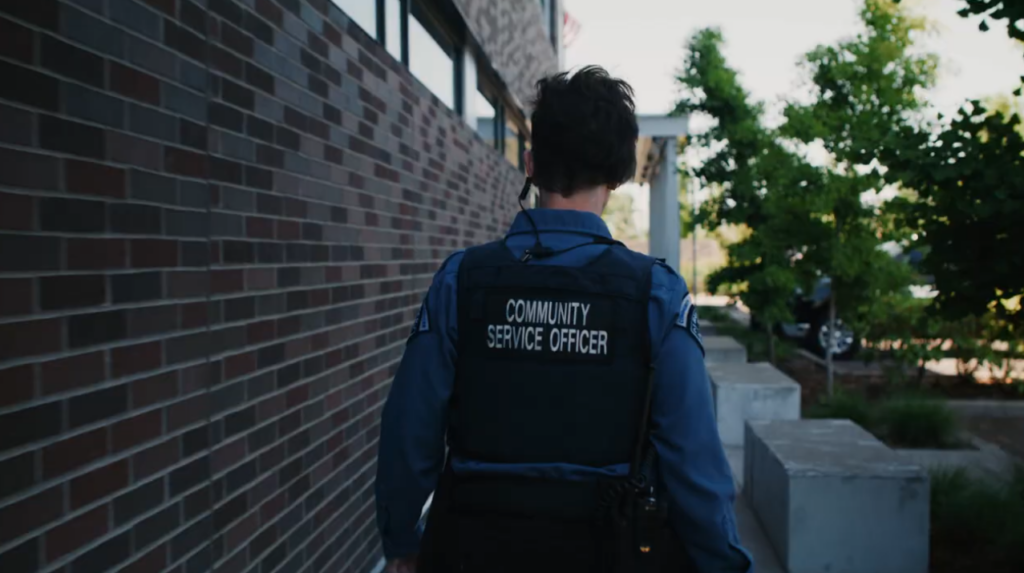
Darla lives in Albany, Oregon, with her husband, Raymond, where she enjoys the company of their five children, fifteen grandchildren and their trio of dogs. She has served 20 years with the Albany Police Department as a Community Service Officer.
Her Galleri Test Experience
Darla’s cancer journey began with an email newsletter from her insurance provider. She regularly received updates about new programs and benefits, but one particular email caught her eye. It included an offer for a cancer screening called the Galleri test.
“I realized this could be something really worth participating in,” she shared. After speaking with her doctor, she went in for the test, a blood draw at her doctor’s office.
A few weeks after testing, Darla received the news: her Galleri test results revealed a Cancer Signal Origin for pancreas and gallbladder. For someone who had always been strong, active, and felt healthy, the results were shocking.
“I was absolutely floored,” Darla said. “I went to my physician for a different appointment that week and showed her the results. She ordered an MRI on my pancreas to follow up, and the results confirmed there was a tumor in my pancreas.”
At just under 2 cm, the tumor was still in its early stages. However, further tests revealed that the cancer had already spread to nearby lymph nodes, resulting in a stage 2 pancreatic cancer diagnosis. Darla was able to start chemotherapy almost immediately and prepared for surgery soon after. “It was such a blessing how everything came together so quickly,” she reflected. “From the test results to the MRI and biopsy, we caught it before it had progressed further.”
Today, Darla is cancer-free and embracing life with her usual energy and optimism. While a cancer diagnosis is never easy, Darla credits early detection with giving her the best possible chance of survival.
Reflecting on her journey, Darla says she is filled with gratitude.
for cancers before they become symptomatic, including those we don’t have recommended screening tests for today.
“If it weren’t for the Galleri test, in a year or two, I wouldn’t be able to say what I’m saying now. Early detection is the only answer.”
The Galleri test does not detect a signal for all cancers and not all cancers can be detected in the blood. False-positive and false-negative results do occur. Galleri is a screening test and does not diagnose cancer. Diagnostic testing is needed to confirm cancer. The Galleri test should be used in addition to healthcare provider recommended screening tests.
The overall sensitivity in study participants with pancreatic cancer was 83.7% (61.9% for stage I, 60.0% stage II, 85.7% stage III, 95.9% stage IV).
Important Safety Information
The Galleri test is recommended for use in adults with an elevated risk for cancer, such as those age 50 or older. The test does not detect all cancers and should be used in addition to routine cancer screening tests recommended by a healthcare provider. The Galleri test is intended to detect cancer signals and predict where in the body the cancer signal is located. Use of the test is not recommended in individuals who are pregnant, 21 years old or younger, or undergoing active cancer treatment. Results should be interpreted by a healthcare provider in the context of medical history, clinical signs and symptoms. A test result of No Cancer Signal Detected does not rule out cancer. A test result of Cancer Signal Detected requires confirmatory diagnostic evaluation by medically established procedures (e.g. imaging) to confirm cancer. If cancer is not confirmed with further testing, it could mean that cancer is not present or testing was insufficient to detect cancer, including due to the cancer being located in a different part of the body. False positive (a cancer signal detected when cancer is not present) and false negative (a cancer signal not detected when cancer is present) test results do occur. Rx only.
Laboratory/test information
The GRAIL clinical laboratory is certified under the Clinical Laboratory Improvement Amendments of 1988 (CLIA) and accredited by the College of American Pathologists. The Galleri test was developed—and its performance characteristics were determined—by GRAIL. The Galleri test has not been cleared or approved by the Food and Drug Administration. The GRAIL clinical laboratory is regulated under CLIA to perform high-complexity testing. The Galleri test is intended for clinical purposes.