

Jonathan's Story
Lymphoma
Jonathan is married with three children and has always enjoyed good health. With no medical concerns throughout his life, he never expected cancer to become part of his story.
His Galleri Test Experience
During a routine doctor visit, Jonathan and his wife, Jennifer, were offered the Galleri test by their doctor. It seemed to them like a simple way to stay proactive about their health, and they both agreed to take it.
Test Results and Early Detection
While Jennifer’s results came back with no cancer signal detected, Jonathan’s test showed a cancer signal detected with a predicted origin of lymphoma. A PET scan confirmed the lymph node in his armpit. The results came as a shock. Jonathan never thought he would be impacted by a cancer diagnosis and felt that cancer was a hypothetical idea that would not reach him.
“There was no indication in my regular blood work or physical that showed any signs of this,” he said. “It was only the Galleri test that showed that I had a cancer signal.”
Without the Galleri test, the cancer would likely have gone unnoticed until it progressed further. The diagnosis was frightening for both Jonathan and Jennifer, but early detection meant he could begin treatment right away while continuing to balance work and family life.
“When you hear the word cancer, it’s terrifying,” Jennifer said. “Because of the early detection, it allowed us to continue our lives but also treat the cancer.”
Jonathan is grateful to his doctor’s office for recommending the test to their patients and he feels lucky to have caught the cancer early on. He and his doctors will have to monitor his health moving forward, but he noted that the diagnosis and treatment did not impact his life, family, and work.
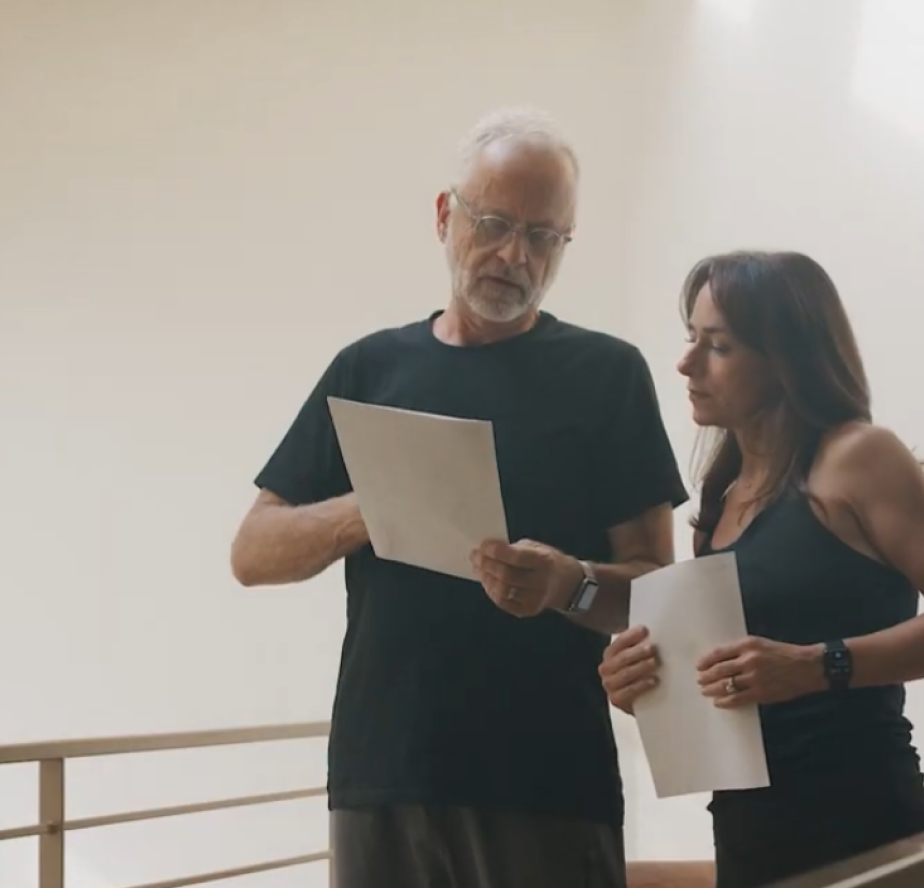
“We’re clear now. I’m so grateful. I’m so happy that I did this.”
The Galleri test does not detect a signal for all cancers and not all cancers can be detected in the blood. False-positive and false-negative results do occur. Galleri is a screening test and does not diagnose cancer. Diagnostic testing is needed to confirm cancer. The Galleri test should be used in addition to healthcare provider recommended screening tests.
The overall sensitivity in study participants with lymphoma was 56.3% (27.3% for stage I, 58.3% stage II, 71.7% stage III, 60.9% stage IV).
Important Safety Information
The Galleri test is recommended for use in adults with an elevated risk for cancer, such as those age 50 or older. The test does not detect all cancers and should be used in addition to routine cancer screening tests recommended by a healthcare provider. The Galleri test is intended to detect cancer signals and predict where in the body the cancer signal is located. Use of the test is not recommended in individuals who are pregnant, 21 years old or younger, or undergoing active cancer treatment. Results should be interpreted by a healthcare provider in the context of medical history, clinical signs and symptoms. A test result of No Cancer Signal Detected does not rule out cancer. A test result of Cancer Signal Detected requires confirmatory diagnostic evaluation by medically established procedures (e.g. imaging) to confirm cancer. If cancer is not confirmed with further testing, it could mean that cancer is not present or testing was insufficient to detect cancer, including due to the cancer being located in a different part of the body. False positive (a cancer signal detected when cancer is not present) and false negative (a cancer signal not detected when cancer is present) test results do occur. Rx only.
Laboratory/test information
The GRAIL clinical laboratory is certified under the Clinical Laboratory Improvement Amendments of 1988 (CLIA) and accredited by the College of American Pathologists. The Galleri test was developed—and its performance characteristics were determined—by GRAIL. The Galleri test has not been cleared or approved by the Food and Drug Administration. The GRAIL clinical laboratory is regulated under CLIA to perform high-complexity testing. The Galleri test is intended for clinical purposes.